
Delivering High-Performance Building Services for Premium Airport Passenger Spaces
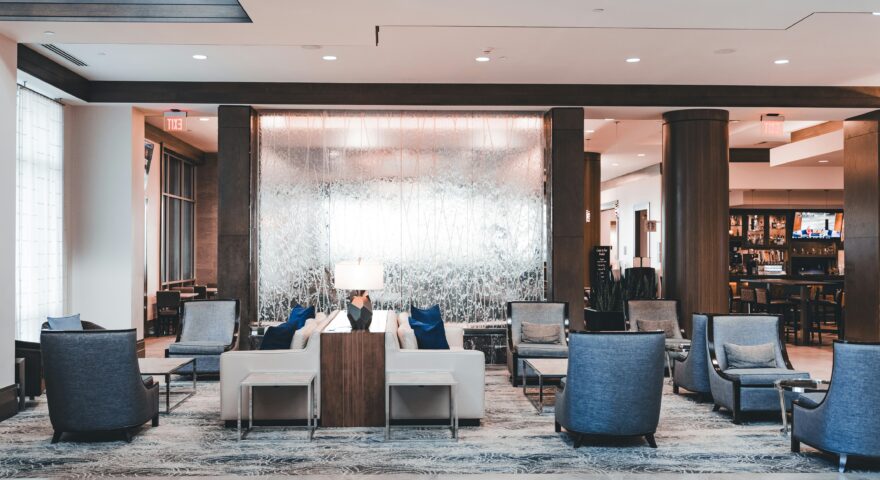
Airports are no longer simply transport hubs. They are complex, high-performance environments designed to deliver comfort, efficiency and reliability for millions of passengers every year. Nowhere is this more evident than in premium passenger spaces and lounges, where expectations are higher, occupation times are longer, and operational resilience is non-negotiable.
Behind these environments sits a highly engineered network of mechanical, electrical and public health systems. When designed correctly, building services transform airport lounges from simple waiting areas into sophisticated, comfortable and energy-efficient spaces that operate seamlessly within one of the most demanding building types in the world. At BSE|3D, we specialise in delivering high-performance MEP design for complex aviation environments across the UK, Europe and the Middle East.
Engineering Comfort in a High-Demand Environment
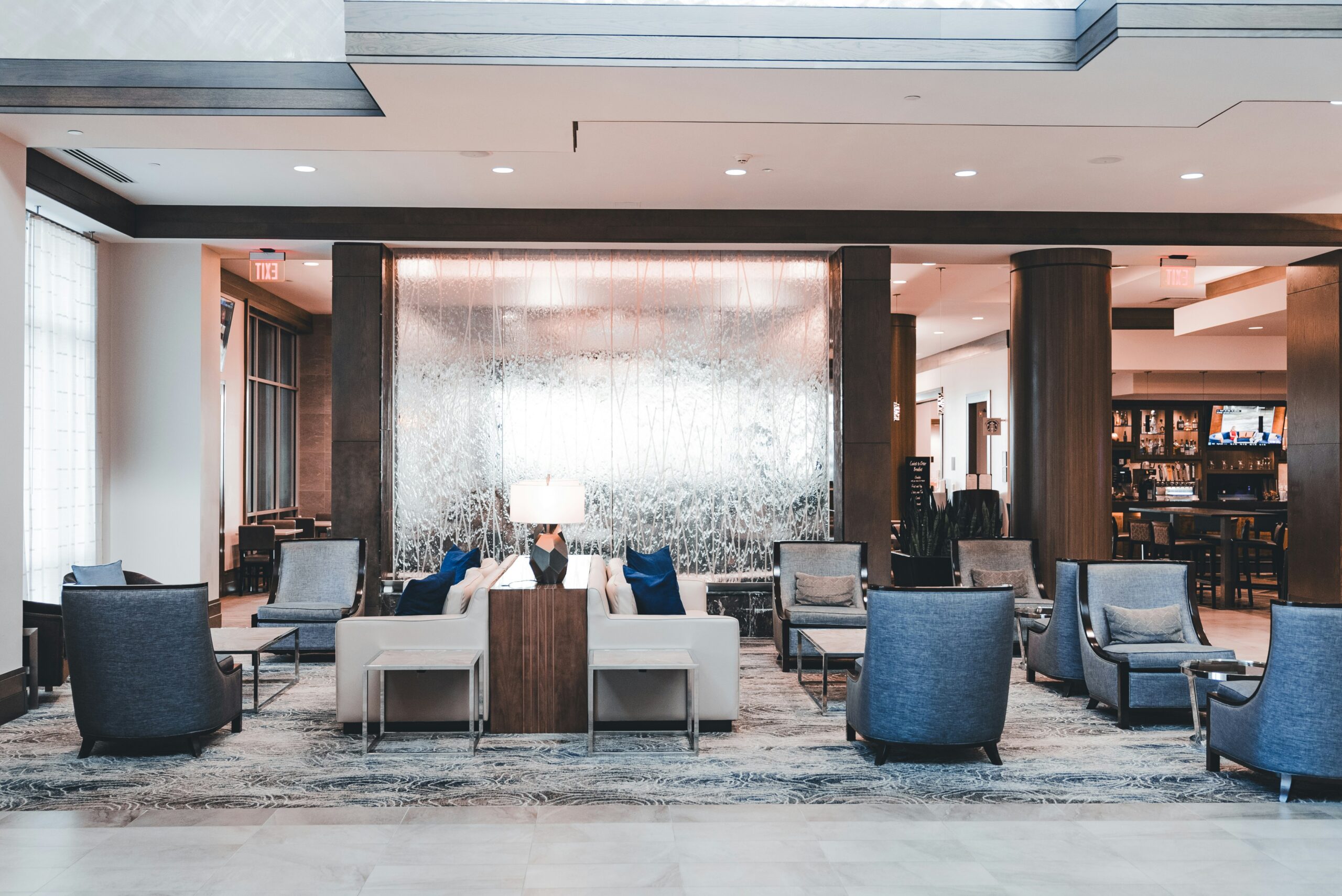
Premium airport lounges must achieve something that is deceptively difficult: they must feel calm, quiet and comfortable within one of the most operationally intense buildings ever created. Passenger density fluctuates throughout the day, external doors open continuously to concourses, and glazing areas are often extensive. These factors place enormous pressure on HVAC systems to maintain stable internal conditions. Effective mechanical design must therefore deliver:
- Highly responsive air-conditioning systems capable of handling rapid occupancy changes
- Optimised air distribution that maintains thermal comfort without draughts
- Low noise design to preserve the calm, premium atmosphere expected in lounges
- Energy-efficient plant strategies that support wider airport sustainability targets
Achieving this balance requires careful modelling, detailed coordination and a deep understanding of how people use airport spaces.
Lighting That Defines the Passenger Experience
Lighting in premium lounges is not simply functional; it is experiential. It shapes how passengers perceive the space, influences dwell time and supports a range of activities from relaxation to remote working. High-performance lighting design integrates:
- Layered architectural lighting to create a premium aesthetic
- Circadian-responsive strategies for passenger wellbeing
- Highly efficient LED systems with intelligent controls
- Seamless integration with architectural features and finishes
When executed correctly, lighting becomes a defining element of the passenger journey while significantly reducing operational energy consumption.
Resilient Electrical Infrastructure
Airports operate 24/7, and premium passenger spaces must match this reliability. Electrical systems must therefore be engineered for resilience as well as performance. This includes:
- Robust power distribution strategies
- Backup and emergency power integration
- High-capacity IT and data infrastructure
- Integration with airport-wide building management systems
Lounges also increasingly support high-power charging, digital workspaces and advanced hospitality services, all of which demand a carefully considered electrical design.
Public Health and Water Systems
Premium spaces typically incorporate a wide range of hospitality facilities including kitchens, showers, spa areas and high-quality washrooms. These features elevate the passenger experience but significantly increase the complexity of public health engineering. Effective design must address:
- Water efficiency and sustainability
- Legionella risk management
- High-performance drainage systems
- Integration with catering and hospitality operations
The result is infrastructure that supports luxury hospitality standards while remaining operationally robust.
Digital Engineering and Coordination
Airport environments are among the most spatially constrained and technically dense projects in the built environment. Successful delivery requires precise coordination between architecture, structure, MEP systems and airport operational infrastructure. Advanced 3D modelling and digital coordination are therefore essential. Through integrated design workflows and detailed BIM modelling, services can be fully coordinated within complex ceiling zones, plant areas and service routes before construction begins. This reduces risk, improves constructability and ensures the final environment performs exactly as intended.
Designing for the Future of Aviation
Passenger expectations are evolving rapidly. Premium airport spaces must now deliver hospitality-grade comfort, seamless digital connectivity and demonstrable sustainability performance. Building services engineering plays a central role in achieving this. From ultra-efficient HVAC systems to intelligent building controls and low-carbon plant strategies, the right engineering approach ensures lounges remain comfortable, resilient and future-ready.
BSE|3D: Engineering High-Performance Airport Environments
At BSE|3D, we combine technical depth with practical delivery experience to engineer high-performance building services for aviation environments worldwide. Our teams across the UK, Europe and the Middle East deliver fully integrated MEP design that balances passenger comfort, operational resilience and long-term sustainability. Because in modern aviation, exceptional passenger spaces are not just designed, they are engineered.
Beyond airport lounges, building services design plays a critical role across the wider aviation environment. This includes terminal buildings, air traffic control towers, aircraft hangars, maintenance and repair facilities (MRO), cargo terminals, ground transportation hubs and airport hotels.
If you are looking for a building services consultancy for your next airport development, including terminals, control towers, hangars, cargo facilities, or support infrastructure. Please get in touch via mail@bse3d.com or +44 207 193 7146
Talk to Our Expert Team
If you would like to learn more about the range of services we offer, please get in touch for an informal discussion about your needs and requirements.